




Tel:
+86-0511-88891902

What are you looking for?
For a winter earmuff collection, buyers should evaluate warmth, ear coverage, pressure, adjustability, material recovery, branding space and packaging together. The most attractive sample is not necessarily the strongest retail product if it creates excessive pressure, slips during movement, or cannot be packed without damaging its shape.
For private-label brands, the product specification should establish the headband construction, ear-pad diameter, pad thickness, lining, outer material, fit range, logo position, packaging and quality tolerances before bulk production.
The outer and inner materials perform different functions.
Common outer materials include:
fleece;
plush;
knitted fabric;
polyester;
acrylic;
synthetic fur;
wool blends.
The inner ear-contact surface should prioritize softness and comfort because it remains in contact with sensitive skin.
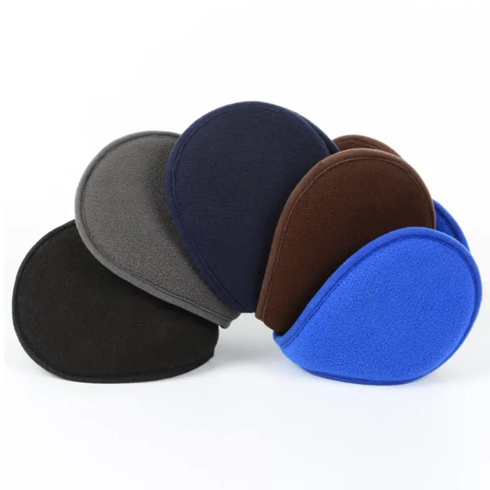
A typical construction might combine a structured headband with a soft fleece or plush ear pad. A fashion-oriented earmuff may emphasize decorative material, while a functional winter design may prioritize insulation and wind protection.
The material specification should identify both the composition and construction.
Fit is one of the most important approval criteria.
A good earmuff should provide enough pressure to remain stable without producing discomfort around the ears or head.
Buyers should evaluate:
headband flexibility;
ear-pad position;
opening diameter;
pressure;
adjustability;
recovery;
compatibility with different hairstyles.
Adjustable headbands can expand the target consumer range, while fixed structures can offer a cleaner appearance and simpler construction.
The correct solution depends on the intended collection.
Thickness should be considered together with density.
A thick pad is not automatically warmer or more comfortable. If the material is too dense, it may create unnecessary pressure. If it is too soft, it may compress excessively during wear.
For sampling, buyers should compare the product:
immediately after manufacture;
after repeated compression;
after packaging;
after simulated wear.
This helps determine whether the ear pad maintains its intended shape.
Classic earmuffs generally prioritize recognizable winter functionality and simple construction.
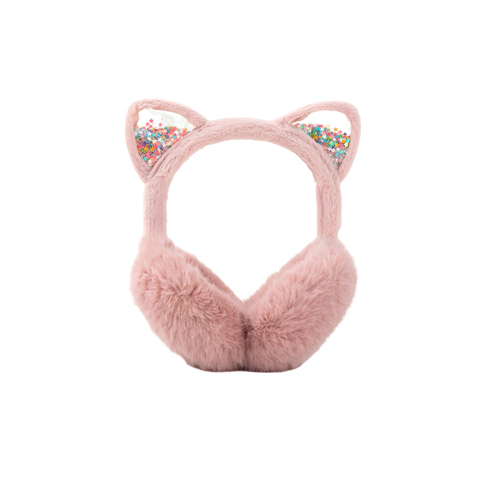
Fashion earmuffs may use:
decorative plush;
oversized ear pads;
unusual headband shapes;
embellishment;
contrast colors;
branding details.
JIBIL's product structure includes both classic and fashion earmuff categories, which reflects the difference between functional winter accessories and more fashion-oriented designs.
Brands can also review earmuffs wholesale options when developing specifications for bulk winter programs.

The headband often provides the most practical branding surface, although the ear pad can also carry branding depending on construction.
Options include:
embroidered logos;
woven labels;
patches;
metal badges;
printed details;
jacquard branding.
Brand placement should not interfere with comfort.
A rigid badge placed directly against the head can create a pressure point. Likewise, dense embroidery on a flexible headband can alter its feel.
The logo should therefore be evaluated from both a visual and functional perspective.
Packaging is particularly important because earmuffs have a three-dimensional form.
Possible packaging includes:
individual polybags;
paper sleeves;
display cards;
hangtags;
boxes;
retail hooks;
gift packaging.
For retail environments, display cards can communicate the brand and allow the product to be hung efficiently.
For e-commerce, protective packaging becomes more important because the earmuff can be compressed during transportation.
Packaging should be tested with the actual product to confirm that pressure does not permanently distort the headband or ear pads.
A practical inspection should include:
| Item | Approval Requirement |
|---|---|
| Headband | Smooth, stable and appropriately flexible |
| Ear pads | Symmetrical and securely attached |
| Padding | Consistent thickness and density |
| Lining | Soft and free from irritating defects |
| Fit | Stable without excessive pressure |
| Adjustment | Smooth operation if applicable |
| Branding | Correct size, position and attachment |
| Color | Matches approved standard |
| Stitching | Clean and secure |
| Packaging | Protects product shape |
The sample should be tested by more than one person where possible.
Many customer complaints come from fit and comfort rather than obvious manufacturing defects.
A brand should therefore test:
pressure;
stability;
ear coverage;
headband flexibility;
comfort over extended wear;
packaging-related deformation.
If a design is intended for broad consumer use, testing on only one head size provides limited information.
Yes, if the brand is pursuing coordinated seasonal merchandising.
A collection can connect earmuffs with:
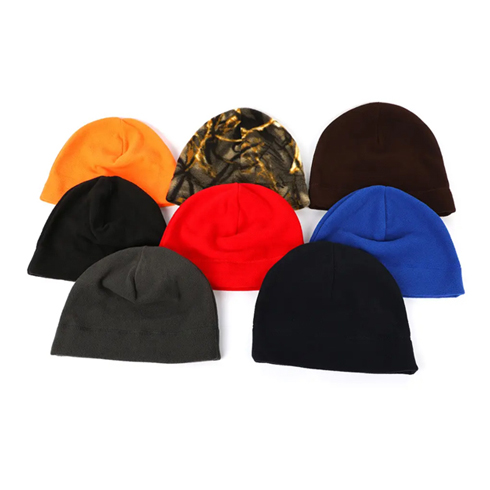
beanies;
scarves;
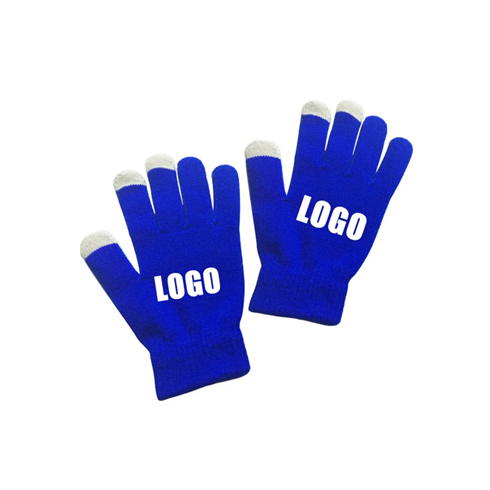
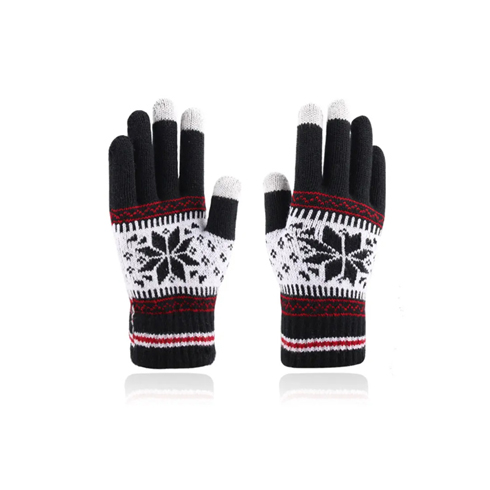
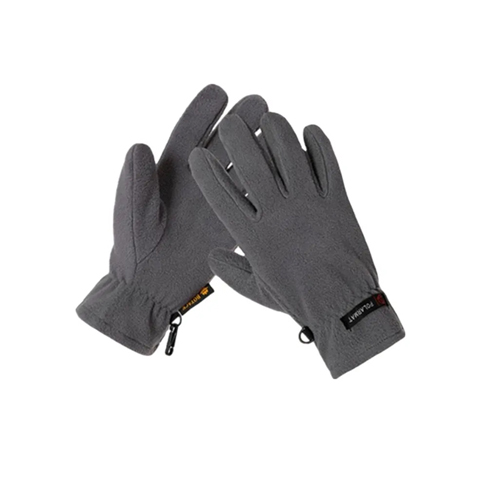
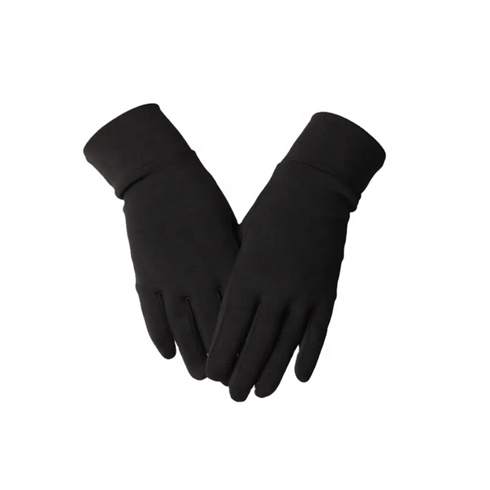
gloves;
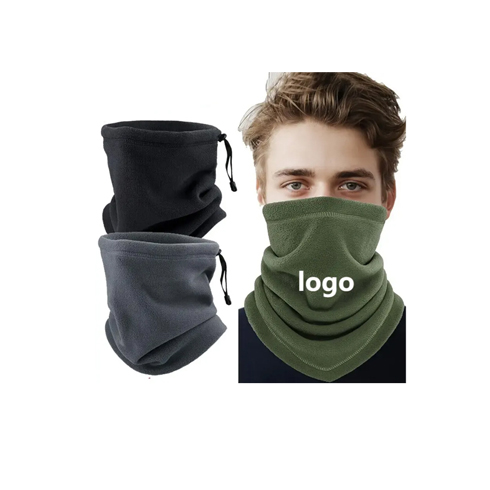
neck warmers;
coats;
bags.
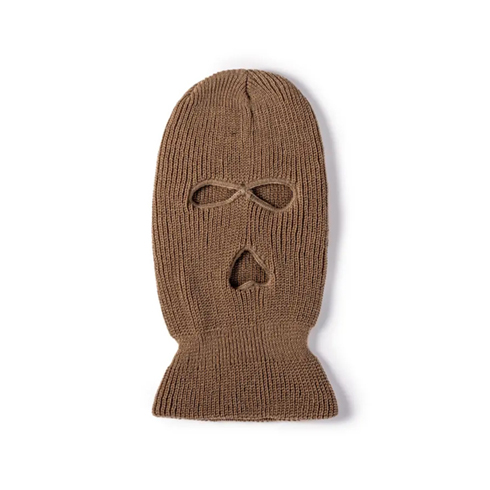
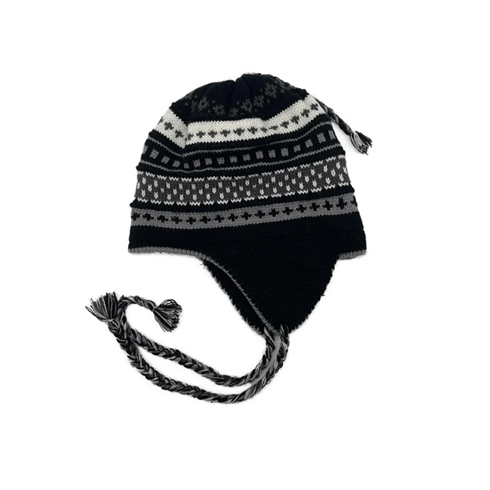
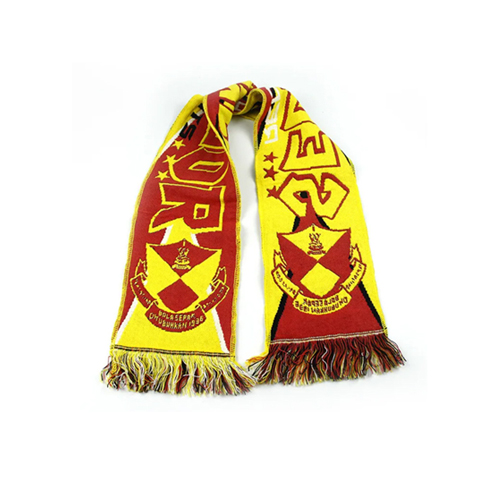
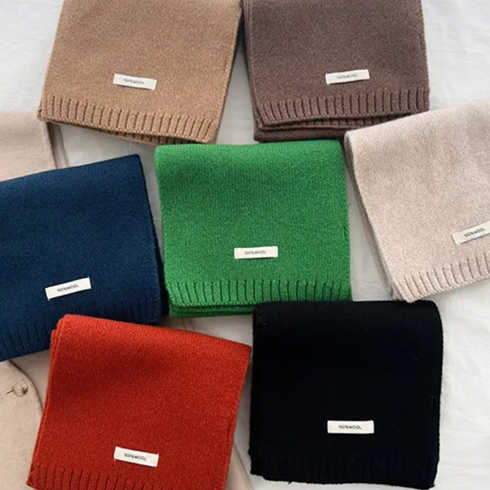
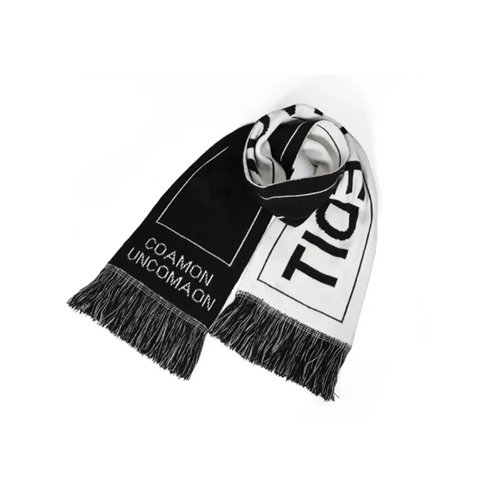
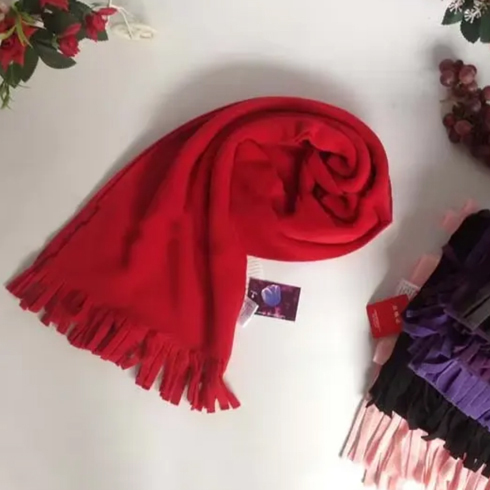
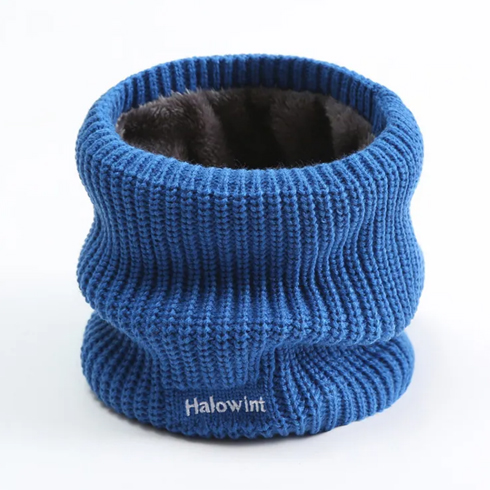
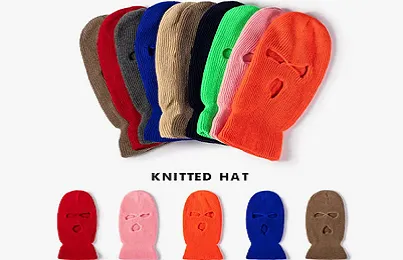
The connection does not require identical materials. A collection can connect earmuffs with beanies, scarves, gloves, neck warmers, coats and bags. The connection does not require identical materials. This works especially well when earmuffs are paired with wholesale fleece scarves in the same color palette. This works especially well when earmuffs are paired with wholesale fleece scarves in the same color palette. For brands seeking full-face coverage options, working with a reliable balaclava manufacturer allows the winter collection to include both open-ear and full-coverage styles under the same branding system.
For example, a fleece earmuff can coordinate with a knit beanie through color and branding while maintaining a different functional construction.
Ask about:
available materials;
pad construction;
headband options;
adjustable structures;
logo methods;
MOQ;
sampling lead time;
packaging;
inspection procedures;
material documentation;
bulk lead time.
Buyers should also request material samples before approving the final color and hand feel.
They serve different functions. Earmuffs primarily protect the ears while leaving most of the head uncovered, whereas hats and beanies provide broader head coverage.
Fleece, plush, knitted materials and synthetic fabrics can all be suitable. The right material depends on warmth, softness, fashion positioning and target price.
They should remain stable without creating excessive pressure. Ear-pad position and headband recovery are critical to comfort.
Yes. Embroidery, woven labels, patches and other methods can be used depending on the construction.
Retail cards, sleeves, bags and boxes are common options. The packaging should protect the three-dimensional shape without excessive compression.
Fit, pressure, ear-pad attachment, material quality, branding, color, stitching and packaging deformation should all be evaluated.
Earmuff sourcing is fundamentally a balance between warmth, comfort, stability, appearance and retail presentation. Buyers should not approve a design solely because the materials look attractive. The product must remain comfortable during wear, maintain its shape during shipping and support the brand's intended positioning.
A well-defined specification and physical sample approval process allows private-label brands to control these variables before production volume increases.
https://www.ftc.gov/news-events/topics/tools-consumers/apparel-labeling
https://www.ftc.gov/legal-library/browse/rules/textile-products-identification-act-text